Innovative Engineering Approaches in HICLOVER Waste Incinerators for Global Compliance and Efficiency

Innovative Engineering Approaches in HICLOVER Waste Incinerators for Global Compliance and Efficiency

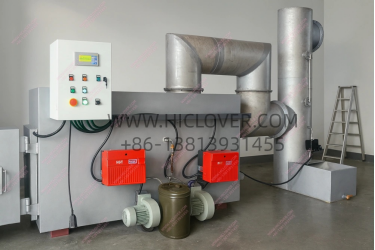
Within the realm of industrial waste management, **waste incinerators** have become synonymous with precision engineering and safety, meeting stringent industrial standards that address a temperature range from 850°C to 1200°C. Professionals often refer to **medical incinerator operating temperature standards** when evaluating these systems for reliability under extreme conditions. The engineering reliability of these systems is critical, and the integration of advanced features such as **incinerator heat recovery**, **incinerator for autoclave vs incinerator** and **incinerator cooling system** underscores the commitment to sustainable, efficient operations.

Technical Fundamentals and Combustion Principles

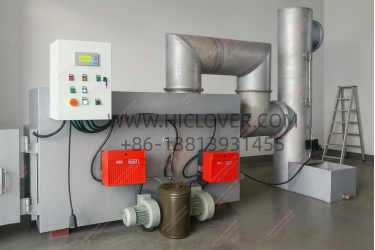
The operational framework of HICLOVER waste incinerators is based on time-tested combustion principles and adherence to international technical temperature standards. These incinerators are designed with dual combustion chambers that facilitate both primary and secondary combustion processes, ensuring that temperature retention and high-temperature combustion are maintained for effective waste destruction. Engineers must consider factors such as the stability of the combustion process and the use of advanced materials that can withstand prolonged high temperature, which often align with WHO and EU emission frameworks.

A key element in the design of these systems is the integration of a robust **incinerator cooling system**. It plays a critical role in dissipating excessive heat to prevent thermal shocks and structural distortions. The cooling mechanism, whether gas or liquid-cooled, is optimized to maximize energy efficiency and ensure that heat recovery systems work effectively. HICLOVER employs containerized modular systems that are engineered to offer optimal temperature management during both peak load and low-load conditions, ensuring operational consistency.

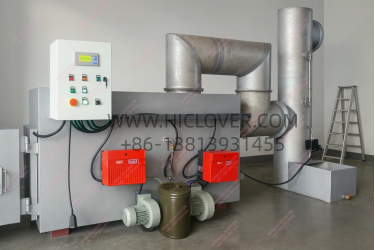
This technical framework extends to the careful calibration of essential temperature sensors, PLC automation systems, and the integration of factory direct manufacturing advantages. With extensive engineering experience, HICLOVER has developed systems that address diverse waste types including general solid waste, medical waste, and hazardous materials. The dual-chamber architecture is particularly important for maintaining a balanced application of primary and secondary combustion principles, providing additional safety margins and further reducing carbon emissions—a growing priority under current ESG compliance trends.

Furthermore, integrated energy recovery systems are a testament to modern engineering advancements. This approach not only utilizes recovered heat as a supplementary energy source but also supports decentralized waste management strategies in crisis zones and remote mining or oil camps. For a detailed explanation of the technical aspects of these systems, refer to the comprehensive insights available on HICLOVER’s official website.

Another critical aspect that engineers consider is the use of advanced scrubber systems. Options such as dry scrubbers and wet scrubbers provide versatility in addressing variable emission control requirements, ensuring that the incinerator operates within strict regulatory guidelines. The ability to customize system configurations based on real-time operational data demonstrates the versatility and technical prowess of these systems.

Comparative Analysis and Commercial Considerations

When assessing the market options for waste incineration technology, HICLOVER stands out by offering both fixed and containerized solutions. A head-to-head evaluation of fixed incinerators versus containerized or mobile modular designs reveals significant advantages in deployment speed, remote site suitability, and overall modularity. The PLC-controlled automation systems in HICLOVER incinerators not only streamline operation but also ensure greater safety and efficiency compared to manually controlled processes. This is particularly relevant when comparing **incinerator for autoclave vs incinerator** where precision and automatic process control play a central role in achieving desired thermal profiles and emission standards.

The integration of a state-of-the-art **incinerator cooling system** further differentiates HICLOVER models. Such systems are engineered to handle the rigors of high-temperature waste combustion by employing robust heat dissipation techniques that protect both equipment and facility infrastructure. Digital automation in industrial equipment bolsters this functionality by monitoring and optimizing the cooling process in real time, ensuring that temperature fluctuations are minimized and energy efficiency is maximized.

Engineers evaluating alternatives often review the differences between a conventional manual control setup and a modern PLC-control system. The automated configuration found in HICLOVER waste incinerators eliminates potential human error and optimizes operational parameters under varying conditions. Remote monitoring capabilities enable real-time data collection, which is fundamental for applications in remote mining operations or crisis zones where rapid deployment and resilient supply chains are crucial. The ability to swiftly toggle between different fuel types—diesel, LPG, natural gas—underscores the versatility and robust design necessary for efficient waste management across diverse applications.

The operational reliability of these systems is supported by regulatory references, including guidelines from WHO and EU emission frameworks, and the development of **medical+incinerator+secondary+chamber+temperature+standard** protocols available through search platforms, reinforcing the technical basis of HICLOVER’s design philosophy. The continuous evolution in industrial technology, as well as the increasing pressure for carbon emission reduction, has led to heightened investor and regulatory interest in the stability and scalability of these systems.

Moreover, sustainability considerations, such as the potential for incinerator heat recovery, contribute to the operational cost-effectiveness and broader environmental compliance. As global infectious disease preparedness becomes a priority, especially in crisis zones and humanitarian camps, the capability to quickly and safely incinerate hazardous materials is crucial. This comparative analysis highlights the importance of selecting systems that not only adhere to technical specifications but also align with evolving global socio-economic and environmental challenges.

Engineering Solutions and Transactional Advantages

At the intersection of engineering ingenuity and market demand, HICLOVER waste incinerators offer comprehensive solutions combining technical precision with robust supply chain capabilities. These systems are supported by factory manufacturing capabilities that ensure quality control, customized chamber volumes, and reliable component sourcing. The customizability is especially appealing for engineers who require tailored solutions to meet localized regulations and unique operational challenges. The incorporation of PLC automation and mobile plug-and-play design within HICLOVER’s offerings enables streamlined installation at remote sites, promoting decentralized waste management practices in areas such as remote mining/oil camps and humanitarian relief zones.

The factory direct supply model adopted by HICLOVER ensures that clients experience reduced lead times and enhanced product reliability. This model differentiates itself from trading companies by leveraging in-house engineering experience and advanced manufacturing technologies. The engineering teams ensure that every unit meets global emission standards and achieves consistent performance across diverse operational environments. In doing so, they address critical challenges such as carbon emission reduction pressure and ESG compliance, ensuring that waste management solutions are sustainable and future-proof.

Engineers and technical professionals will appreciate the dual combustion chamber design, which significantly reduces the chance of incomplete combustion and minimizes pollutant emissions. The option to include either a wet or dry scrubber system allows for further optimization of exhaust treatment according to local environmental regulations. Additionally, the precision provided by PLC control systems accelerates process adjustments, reducing the margin for error and safeguarding against potential operational disruptions.

Integrated energy recovery systems further enhance the transactional appeal of HICLOVER waste incinerators. Efficient incinerator heat recovery transforms excess thermal energy into usable power, which can be reintegrated into the facility’s energy grid—a critical factor for remote installations and decentralized waste processing. The digital automation infrastructure supports real-time performance monitoring, ensuring that the equipment continuously meets stringent performance criteria. These attributes provide a compelling case for purchasing directly from the manufacturer, where stable supply chains and engineering expertise are readily available.

The proven factory advantages of HICLOVER are further underscored by its commitment to innovation and technical excellence. For example, the containerized modular systems are designed for rapid deployment and easy integration into existing waste management workflows, offering an operational flexibility that is critical in dynamic and evolving industrial contexts. In today’s climate—with increasing global infectious disease preparedness and demand for eco-friendly technologies—the ability to scale up operations quickly is invaluable.

The practical applications extend to medical waste management, where adherence to **medical incinerator operating temperature standards** is imperative. The meticulous design of the incinerator cooling system reduces operational wear and ensures that the equipment maintains performance longevity, even in high-demand scenarios. Interested parties can compare technical nuances and updated performance metrics by exploring further technical details on HICLOVER’s contact page, where industry experts are available to discuss custom solutions tailored to specific project requirements.

Key Engineering Features and Market Trends

  • Dual Combustion Chambers: The dual-chamber approach optimizes combustion efficiency and minimizes emissions, ensuring compliance with international standards.
  • PLC Automation: Automation enhances precision in controlling temperature and operational parameters, thereby reducing human error and optimizing fuel consumption.
  • Containerized Modular Design: This design provides rapid deployment in remote sites, making the system ideal for use in crisis zones, humanitarian camps, and remote mining/oil camps.
  • Multi-Fuel Capability: The systems support diesel, LPG, and natural gas, providing flexibility in varying market conditions.
  • Customizable Chamber Volumes: Engineering teams can tailor solutions to meet specific waste types and processing capacities.
  • Optional Wet or Dry Scrubbers: Versatile scrubber options ensure effective emission control across different operational scenarios.
  • Incinerator Cooling System: A robust cooling solution is integral to system longevity and stable operation under extreme conditions.
  • Energy Recovery Systems: Optimal incinerator heat recovery maximizes energy efficiency, converting waste heat into usable power.

This detailed analysis of HICLOVER waste incinerators reflects the convergence of rigorous engineering, environmental compliance, and streamlined manufacturing capabilities. The company’s ability to address both technical and commercial requirements sets its solutions apart in the competitive landscape of waste management equipment. As global efforts towards sustainability and carbon emission reduction intensify, the adoption of flexible, reliable, and technologically advanced incineration solutions remains a cornerstone in effective waste-to-energy conversion strategies.

The current market trends also point to digital automation as a critical driver of industrial innovation. Enhanced data collection and remote monitoring provide continuous operational insights, which are especially beneficial for maintaining the performance of an **incinerator cooling system**. In addition, the integration of predictive maintenance tools and remote diagnostics ensures that these systems remain operational even under adverse conditions.

Furthermore, the adoption of decentralized waste management systems is gaining ground amid growing concerns over environmental sustainability and supply chain resilience. This trend is particularly visible in sectors such as global infectious disease preparedness and energy recovery systems. The strategic incorporation of these features within HICLOVER waste incinerators offers a robust solution tailored for both urban centers and remote industrial sites alike.

Engineers looking to maximize reliability while reducing operational costs may find that direct procurement from a factory with sustained engineering experience not only guarantees technological excellence but also facilitates ongoing support and system upgrades. The transactional benefits are clear—factory direct supply, customized solutions, and robust logistics support combine to create a compelling, sustainable technology investment.

Meeting Current Industrial and Environmental Standards

In today’s industrial ecosystem, compliance with technical and environmental regulations is paramount. HICLOVER waste incinerators are engineered to meet rigorous temperature standards while maintaining the required operational thresholds necessary for complete waste combustion. The dual-chamber design ensures that both primary and secondary combustion processes contribute to high temperature retention—a critical factor in reducing the risk of incomplete combustion and minimizing pollutant release.

Attention to detail is evident in the systems’ ability to achieve precise thermal controls through advanced automation and the integration of state-of-the-art sensors. The **incinerator heat recovery** mechanism further underscores the design’s focus on energy efficiency. By reclaiming waste heat, these systems enhance energy recovery, thereby contributing to overall operational cost savings and improved environmental performance. This is particularly relevant given the recent emphasis on ESG compliance across industries worldwide.

Technical research has consistently demonstrated that the incubation of advanced heat recovery systems in waste incinerator technology leads to measurable improvements in both energy efficiency and emission control. This adherence to industrial standards not only reinforces the reliability of HICLOVER solutions but also addresses the increasing regulatory demands for low-emission systems globally. Digital automation platforms, combined with remote monitoring capabilities, ensure that any breach in operational norms is promptly addressed, safeguarding both the equipment and the environment.

The installation of HICLOVER systems in critical facilities, including hospitals and crisis response centers, further underscores the importance of meeting technical compliance and safety standards. The systems are designed with the latest adaptations in digital control technology, making them a preferred choice in sectors where reliability and precision are non-negotiable. As sustainable practices take center stage amid additional pressure from global carbon emission reduction initiatives, the strategic deployment of these advanced waste incinerators becomes essential in achieving both operational and environmental excellence.

For further comparative insights into technical standards and operational efficiency, engineers can explore the latest research findings and regulatory updates from industry sources, ensuring that every deployment is aligned with cutting-edge technological and regulatory practices. The cumulative expertise available through HICLOVER’s engineering teams provides a solid foundation for continuous improvement and innovation in waste management technology.
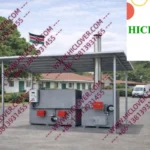
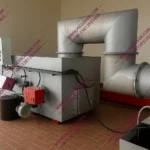
HICLOVER Waste Incinerators: Engineering Excellence in Waste Management

HICLOVER Waste Incinerators: Engineering Excellence in Waste Management

Waste incinerators have become a crucial component in modern waste management strategies, particularly as global concerns about environmental sustainability and public health rise. HICLOVER, a leading manufacturer, offers a range of waste incinerators that meet stringent industrial standards and are engineered for reliability and efficiency. With operating temperatures often exceeding 800°C, HICLOVER’s incinerators are designed to handle various types of waste, including medical and industrial refuse, ensuring compliance with health regulations and environmental guidelines.

Technical Specifications and Engineering Standards

HICLOVER waste incinerators are characterized by their advanced engineering design, which allows for effective thermal treatment of waste. The incinerators operate within a temperature range that is pivotal for complete combustion, typically maintained between 900°C and 1,200°C. This high-temperature retention is essential for achieving optimal destruction rates of hazardous materials, as recommended by international regulatory frameworks like the WHO and EU emission standards.

The incinerators feature a dual chamber system, where the primary chamber facilitates initial combustion, and the secondary chamber is employed for further oxidation of combustible gases and particulates. This design not only enhances combustion efficiency but also minimizes the release of harmful emissions, making it suitable for various applications, including **Angola medical incinerators** and **large animal incinerators**.

HICLOVER’s commitment to engineering excellence is evident in its selection of materials and components. The incinerators are constructed with durable refractories and high-quality steel to withstand extreme conditions. The advanced control systems, which can be configured with either **PLC automation** or manual controls, allow for precise monitoring and adjustments during operation, ensuring that manufacturers maintain compliance with environmental standards.

Types of Incinerators and Their Applications

HICLOVER offers a variety of waste incinerators tailored to specific needs. Among these are fixed incinerators, which are ideal for permanent installations, and containerized modular systems, which provide flexibility for remote site applications, such as those found in crisis zones and humanitarian camps. These containerized systems support a mobile plug-and-play design, making them suitable for decentralized waste management solutions in regions like Niger and Guinea-Bissau.

For medical waste management, HICLOVER’s **hospital incinerator manufacturer** solutions stand out. These incinerators are specifically designed to handle biohazardous waste while adhering to strict health regulations. In contrast, **hog incinerators** serve agricultural applications, ensuring that animal remains are disposed of efficiently and safely.

Combustion Principles and Environmental Responsibility

The principles of combustion play a vital role in the effectiveness of waste incinerators. HICLOVER’s designs emphasize complete combustion, which is achieved through optimal airflow management and temperature control. The combustion process is carefully monitored to ensure that harmful by-products are minimized. This commitment to environmental responsibility aligns with global pressures for carbon emission reduction and ESG compliance.

Furthermore, HICLOVER offers options for both **wet** and **dry scrubbers** to treat flue gases before they are released into the atmosphere. This feature aids in capturing particulates and neutralizing hazardous gases, demonstrating HICLOVER’s dedication to sustainable waste management practices. The inclusion of energy recovery systems in some models reflects the growing trend towards generating renewable energy from waste, thereby contributing to a circular economy.

Global Supply and Custom Solutions

HICLOVER’s manufacturing capabilities extend beyond China, ensuring a stable supply chain capable of meeting global demand. The company specializes in providing customizable chamber volumes to suit various operational requirements. Whether a client needs a **1 kg incinerator** for small-scale operations or larger units capable of handling **3 kg per hour**, HICLOVER has the engineering expertise to deliver tailored solutions.

Furthermore, the factory-direct supply model allows for competitive pricing and reduced lead times compared to trading companies. Clients benefit from HICLOVER’s extensive engineering experience, which ensures that each unit is optimized for efficiency and compliance with local regulations.

Conclusion: A Sustainable Future with HICLOVER

As waste management challenges grow, HICLOVER remains at the forefront of innovative solutions. The company’s commitment to high standards of engineering, operational efficiency, and environmental responsibility positions it as a leader among **Niger waste incinerator manufacturers**, **Guinea-Bissau incinerator manufacturers**, and others worldwide. By choosing HICLOVER, clients can ensure they are equipped with advanced technology that not only meets but exceeds industry expectations.

For those interested in learning more about HICLOVER’s offerings, please visit the official website at HICLOVER Incinerators for detailed information on products and specifications. With HICLOVER, the future of waste management looks promising.


Global Nipah Virus Outbreak C Current Situation & Public Health Response

Global Nipah Virus Outbreak  C Current Situation & Public Health Response

In early 2026, a new outbreak of Nipah virus (NiV) has been confirmed in India’s West Bengal region, attracting urgent attention from global health authorities due to the virus’s high fatality and pandemic potential. 

Key Epidemiological Highlights (January 2026):

  • Multiple confirmed NiV cases have been reported in West Bengal, including healthcare workers, indicating human-to-human transmission in a clinical setting. 

  • Nearly 100 close contacts have been quarantined as a precautionary public health measure. 

  • Regional authorities in Thailand, Nepal and other neighbouring countries have strengthened airport and border health screenings, adopting COVID-style health checks to slow cross-border spread. 

  • The virus is zoonotic, typically found in fruit bats, but can infect humans via contaminated food or close contact with infected individuals. 

  • No approved vaccine or specific antiviral treatment exists; clinical care remains supportive. 

  • Reported mortality rates for Nipah outbreaks have historically been very high (40 %C75 %), prompting serious international concern. 

NiV’s Public Health Risk & Global Context:
The World Health Organization (WHO) classifies Nipah virus among viruses with pandemic potential, requiring vigilant surveillance and rapid response due to its ability to cause severe encephalitis and respiratory illness. 


Critical Role of Medical Waste Management in Nipah Virus Control

In outbreaks like Nipah, effective medical waste disposal is a cornerstone of infection prevention, particularly when healthcare systems are strained and infectious waste volumes increase.

Why Medical Waste Disposal Matters in NiV Outbreaks

Nipah virus outbreaks generate hazardous biological waste from:

  • Isolation wards

  • Personal protective equipment (PPE)

  • Contaminated syringes, bandages, and bedding

  • Laboratory cultures and clinical specimens

Improper disposal of such waste poses risk of:

  • Secondary transmission to healthcare workers and sanitation staff

  • Environmental contamination

  • Zoonotic spillover back to animals

High-Temperature Incineration: Gold Standard for Infectious Waste

For pathogens like NiV, high-temperature incineration is widely recognized as one of the most effective containment measures for infectious waste, as it:

  • Completely destroys organic pathogenic material at temperatures typically above 850 °C

  • Reduces waste volume drastically

  • Minimizes risk of pathogen survival post-treatment

  • Meets stringent environmental emission standards when equipped with advanced air control systems

Market trends indicate robust growth in the demand for high-temperature incinerators due to increasing regulatory emphasis on safe disposal of medical waste and infectious waste streams. 


HICLOVER Incinerators C Features & Application in NiV Response Scenarios

As public health urgency rises during outbreaks like NiV, HICLOVER’s range of industrial incineration solutions can support hospitals, emergency response units, and outbreak containment facilities with reliable waste destruction. Key features include:

1. High-Temperature Combustion Performance

  • Combustion chambers designed for consistent temperatures well above pathogen destruction thresholds

  • Multi-stage combustion ensures complete oxidation of infectious material

2. Versatile Fuel Options

  • Capable of operating on diesel, natural gas or LPG

  • Flexibility for areas with limited fuel logistics during emergencies

3. Strong Safety & Automated Control

  • PLC control systems for automated temperature regulation and safety controls

  • Redundant safety systems reduce operator intervention in high-risk zones

4. Optional Emission Control

  • Integration with wet scrubber systems and advanced air pollution controls minimizes particulate and gas emissions, compliant with strict environmental standards

5. Modular & Mobile Deployment

  • Containerized mobile incinerators and top-loading models can be rapidly deployed to outbreak hotspots, temporary field hospitals, and remote regions with constrained infrastructure

6. Multi-Chamber Combustion

  • Designed to handle diverse medical waste types (infectious, pathological, sharps), enhancing throughput during surges in waste volume associated with outbreaks


Strategic Value in Public Health and Emergency Response

During a Nipah virus outbreak, HICLOVER’s incineration solutions serve several strategic roles:

A. Protecting Healthcare Settings:

  • Safely treat contaminated PPE and clinical waste from infectious wards, reducing risk of intra-facility transmission.

B. Strengthening Containment Zones:

  • Portable units support isolation centers and quarantine facilities where on-site waste treatment is critical.

C. Supporting Regional Preparedness:

  • In countries with high outbreak risk, modular HICLOVER incinerators can be pre-positioned for rapid activation.

D. Regulatory Compliance Across Markets:

  • Designed with global emission control and safety compliance in mind, facilitating deployment in diverse jurisdictions.

To maximize relevance and search performance, this content includes key topical terms likely to align with current and emerging global search interest:

Nipah virus outbreak 2026, NiV public health response, infectious waste disposal, medical waste incineration solutions, high-temperature incinerators for virus outbreaks, mobile incinerator deployment, healthcare waste management during epidemics, pathogen destruction technologies, environmental compliance incinerators, HICLOVER incinerator features.

Mobile: +86-13813931455(WhatsApp)

Email:     [email protected]     
Email:     [email protected] 


2026-01-27/11:17:23

Incinerator Suppliers in Senegal: Choosing a Reliable Waste Incinerator Partner for Hospitals, Cities, and Remote Projects

Incinerator Suppliers in Senegal: Choosing a Reliable Waste Incinerator Partner for Hospitals, Cities, and Remote Projects

Senegal is moving fast on infrastructure growth, public health improvement, and cleaner urban management. From Dakar’s expanding municipal services to regional clinics and industrial zones, the demand for safe, controlled waste disposal is rising sharply. In many real-world projects, landfill capacity is limited, collection systems are under pressure, and hazardous waste streams (medical, infectious, animal, and mixed solid waste) must be handled with higher standards.

That is why incinerator suppliers in Senegal are becoming a key part of procurement for hospitals, government programs, contractors, NGOs, and private operators. The right partner is not simply a reseller of equipment, but a factory-backed manufacturer that can provide stable performance, proper combustion design, automation, and practical shipping support for African deployment conditions.

To explore the market quickly, you can search here:
https://www.google.com/search?q=incinerator+suppliers+in+Senegal


Why Senegal Buyers Search for a “Waste Incinerator” Instead of a Simple Burner

A modern waste incinerator is not just a combustion box. It is a complete disposal solution designed to deliver:

  • High-temperature destruction of waste volume and pathogens

  • Lower smoke and odor through staged combustion

  • Safer operation using automated control and interlocks

  • Expandable emission control with dry or wet treatment systems

  • Field reliability for hot weather, variable waste quality, and limited utilities

For Senegal projects, these advantages matter because operating conditions are rarely “laboratory perfect.” Waste moisture can vary, operator skills differ, and power stability may be uncertain. A professionally engineered incinerator system reduces operational risk and improves daily consistency.


HICLOVER: Factory-Direct Incinerator Supplier for Senegal Projects

When procurement teams evaluate incinerator suppliers in Senegal, they often face the same problem: many sellers can offer a product, but few can support the project like a real manufacturer.

HICLOVER is a factory-based waste incinerator manufacturer focusing on export-ready designs for Africa and other international markets. The product range covers:

  • Medical waste incinerator systems for hospitals and clinics

  • Animal waste & pet cremation incinerators for veterinary and municipal services

  • Municipal solid waste incinerators for camps, facilities, and remote communities

  • Containerized mobile incinerator solutions for rapid deployment

  • Automatic incinerators with PLC control for reduced operator workload

Learn more about HICLOVER systems here:
https://www.hiclover.com/


Application Scenarios in Senegal: Where Waste Incinerators Make Immediate Impact

1) Hospitals and Medical Waste Management

Healthcare expansion brings more sharps, infectious waste, dressings, plastics, and contaminated packaging. A medical waste incinerator with dual-chamber design helps deliver cleaner burnout and improved pathogen destruction, especially where centralized hazardous waste facilities are limited.

Typical users:

  • Province hospitals

  • Private clinics

  • Medical labs

  • Emergency response sites

2) Municipal and Community Waste Reduction

For towns, island areas, and public institutions, a solid waste incinerator reduces waste volume and limits uncontrolled dumping. This is increasingly important as cities address sustainability targets and public hygiene expectations.

Typical users:

  • Municipal operators

  • Schools and institutions

  • Housing projects

  • Industrial parks

3) Remote Sites: Camps, Mining, Construction, and Offshore Projects

Remote projects often need “ready-to-run” equipment because local installation labor and spare parts are hard to secure. This makes mobile waste incinerator and plug-and-play incinerator systems a preferred direction.

Typical users:

  • Work camps

  • Mining zones

  • Construction projects

  • Logistics bases


Technical Advantages That Define a Serious Waste Incinerator

Dual-Chamber High-Temperature Combustion

A well-designed two-chamber waste incinerator separates:

  • Primary combustion (solid waste burning)

  • Secondary combustion (high-temperature oxidation of flue gas)

This structure supports:

  • Improved smoke reduction

  • Lower odor output

  • More complete destruction of organics

PLC Automation for Safer, More Consistent Operation

Automation is a major reason buyers upgrade from manual systems. A PLC control incinerator helps stabilize daily operation by managing:

  • Start/stop sequences

  • Temperature control logic

  • Burner interlocks and alarms

  • Fan and air control coordination

  • Basic protection strategies for safer use

This reduces operator dependency and supports continuous-duty use for hospitals and service providers.

Modular Emission Control Options (Dry / Wet)

Senegal buyers often need flexible compliance levels depending on project type. HICLOVER provides scalable systems such as:

  • Dry scrubber system (acid gas neutralization, stable and cost-effective)

  • Wet scrubber system (stronger washing capability for demanding sites)

  • Optional multi-stage flue gas treatment combinations for higher requirements

This modular strategy helps projects match budget and compliance needs without over-complicating basic use cases.


Why “Factory Supply” Matters When Buying from Incinerator Suppliers in Senegal

Many projects fail not because the equipment is missing, but because the supplier cannot support the full delivery cycle. A real factory-backed supplier typically offers stronger advantages:

  • Stable manufacturing quality control

  • Professional configuration guidance (capacity, waste type, fuel choice)

  • Standardized export packaging and shipping experience

  • Spare parts structure and long-term maintenance logic

  • Clear customization options (containerized, trailer-mounted, skid-mounted)

For Senegal procurement, this can mean the difference between a short-term purchase and a long-term operating asset.


Mobile and Containerized Solutions: The “Fast Deployment” Trend

In today’s market, fast installation is a global priority. Whether it’s healthcare expansion, emergency preparedness, or remote infrastructure projects, end users want solutions that reduce onsite workload.

That is why containerized waste incinerator designs are becoming popular:

  • Factory-integrated modules

  • Simplified commissioning

  • Reduced civil works requirements

  • Easier relocation if needed

HICLOVER’s approach emphasizes modular, plug-and-play incinerator systems that help overseas buyers start operation quickly while keeping the system structure clear and serviceable.


Fuel Flexibility for Senegal Operating Conditions

Fuel availability and operating cost are always practical concerns. HICLOVER incinerators can be configured for:

  • Diesel (common choice for remote areas)

  • Natural gas (where stable supply exists)

  • LPG (popular where gas cylinders are widely available)

This flexibility helps match local energy conditions and simplify long-term use.


What to Check Before You Order a Waste Incinerator in Senegal

When selecting incinerator suppliers in Senegal, consider these items:

  1. Waste type (medical / municipal / animal / mixed)

  2. Required capacity (kg/h or tons/day)

  3. Operation mode (manual vs automatic PLC)

  4. Emission control target (basic / enhanced dry / wet scrubber)

  5. Site conditions (power, fuel, operator level, installation limits)

  6. Mobility requirement (fixed, skid, trailer, containerized)

A supplier that can guide these decisions clearly is usually the safer choice.


Conclusion: A Practical Route to Cleaner Waste Disposal in Senegal

Demand for reliable waste disposal is rising with healthcare growth, urban development, and stronger environmental expectations. For many buyers, working with factory-backed incinerator suppliers in Senegal reduces project risk and improves long-term performance.

If your project needs a waste incinerator solution for medical waste, municipal waste, or remote deployment, HICLOVER can provide export-ready systems with automation, modular emission control options, and mobile plug-and-play configurations.

HICLOVER Official Website:
https://www.hiclover.com/


Résumé (Français)

Pour les acheteurs recherchant des incinerator suppliers in Senegal, un waste incinerator fiable doit offrir une combustion à haute température, une structure à double chambre, une automatisation PLC et des options de traitement des fumées (sec ou humide). HICLOVER propose des solutions exportables, mobiles et modulaires, adaptées aux hôpitaux, municipalités et sites isolés.

Resumen (Español)

Al evaluar incinerator suppliers in Senegal, es clave elegir un waste incinerator con combustión de alta temperatura, doble cámara, control PLC y opciones modulares de tratamiento de gases (seco o húmedo). HICLOVER ofrece sistemas exportables, móviles y “plug-and-play”, ideales para hospitales, gestión municipal y proyectos remotos.

Mobile: +86-13813931455(WhatsApp)

Email:     [email protected]     
Email:     [email protected] 


2026-01-20/00:46:00

Medical Waste Incinerator Technical Documentation for Hospital Projects in Ghana

Medical Waste Incinerator Technical Documentation for Hospital Projects in Ghana

Hospital waste management teams often begin their search not with equipment brands, but with technical documentation. For public hospitals, regional facilities, and EPC contractors, documentation defines whether a medical waste incinerator can be reviewed, approved, installed, and operated safely within an existing healthcare environment. In Ghana, where infectious waste, sharps, and pharmaceutical residues form the bulk of hospital waste streams, clear and structured technical information is a practical requirement rather than a formality.

For many procurement teams, searches related to medical waste incinerator technical documentation Ghana are driven by the need to understand system configuration, operating logic, and maintenance expectations before any procurement decision is considered.


Why Technical Documentation Matters in Hospital Waste Projects

In daily hospital operations, waste handling is closely tied to infection control and staff safety. Incineration remains a commonly adopted treatment method because it provides immediate volume reduction and pathogen destruction on site. However, decision-makers are typically cautious about emissions, operational complexity, and long-term reliability.

Technical documentation serves several purposes:

  • It allows hospital engineers to evaluate combustion logic and temperature control.

  • It supports project review by ministries, NGOs, or donor-funded programs.

  • It helps operators understand daily routines, safety interlocks, and maintenance intervals.

Without adequate documentation, even a technically sound incinerator can be difficult to approve or operate.


Core System Description Commonly Reflected in Documentation

Dual-Chamber Combustion Layout

A standard section in medical waste incinerator documentation describes the dual-chamber structure. The primary chamber is dedicated to direct combustion of medical waste, typically operating around 850 °C. This chamber is designed for batch or semi-continuous feeding, depending on hospital scale.

The secondary chamber is positioned downstream to re-burn flue gases generated from the first stage. Operating temperatures may reach approximately 1100 °C, supporting further oxidation of volatile compounds. This configuration is commonly adopted for hospitals to reduce visible smoke and residual odors associated with incomplete combustion.

Such layouts are designed in line with common healthcare waste management practices rather than site-specific experimentation.


Temperature Control and Combustion Stability

Technical documentation usually places strong emphasis on temperature stability. Burner selection, refractory lining, and airflow control are described together, explaining how steady thermal conditions are maintained during operation.

For hospitals facing intermittent power supply, diesel-fired systems are frequently specified. Documentation clarifies how fuel-based burners maintain consistent heat input independent of grid reliability, which is a practical consideration in many regions of Ghana.


Automation Logic and PLC Control Description

Another key section of medical waste incinerator technical documentation covers automation. PLC-based control systems coordinate burner ignition, temperature monitoring, alarm handling, and safety interlocks.

From an operator’s perspective, this reduces reliance on constant manual adjustment. From a project review perspective, it demonstrates that the system follows a structured operating sequence suitable for small hospitals, clinics, and regional facilities with limited technical staff.

Documentation typically includes control philosophy descriptions, alarm lists, and basic operation flow charts rather than software source code.


Flue Gas Treatment Options Explained in Project Documents

Hospitals vary widely in size and budget, and documentation often presents flue gas treatment as a modular option. Dry treatment systems using alkaline materials are commonly described as baseline configurations, offering acid gas neutralization with relatively low maintenance requirements.

For projects with higher emission control expectations, wet scrubber systems may be outlined as optional modules. These sections explain functional principles―such as quenching, washing, and particulate removal―without claiming absolute regulatory compliance, allowing project owners to align configurations with local review requirements.


Matching Documentation to Hospital Scale

Well-prepared documentation differentiates between applications:

  • Small hospitals and clinics typically review compact units with manual feeding and limited throughput.

  • Regional hospitals often require systems suitable for extended daily operation.

  • Teaching hospitals may request more detailed operational descriptions to support staff training.

By presenting system capacities, duty cycles, and maintenance routines clearly, documentation helps procurement teams compare options without relying on marketing language.


HICLOVER Documentation Approach as a Manufacturer

HICLOVER operates as a manufacturing factory supplying standardized medical waste incinerator models for export markets. Its technical documentation packages typically include general arrangement drawings, process descriptions, operating manuals, and maintenance guidance aligned with commonly adopted hospital configurations.

Export experience allows documentation to be structured for remote review, supporting EPC contractors, NGOs, and hospital engineers conducting technical assessments through English-language searches. Reference materials and system overviews are available through the official website:
https://www.hiclover.com/

This documentation-focused approach is intended to support project evaluation and long-term operation rather than short-term procurement decisions.


Practical Focus for Hospital Decision-Makers

When reviewing medical waste incinerator technical documentation in Ghana, stakeholders often look beyond capacity figures. Clear explanations of combustion stages, automation logic, emission control options, and maintenance routines are central to confidence in daily operation.

For hospitals and project teams relying on English-language technical searches, structured and transparent documentation remains a key step in selecting an incineration solution that can be realistically operated within existing healthcare constraints.

Mobile: +86-13813931455(WhatsApp)

Email:     [email protected]     
Email:     [email protected] 


2026-01-09/14:15:27

Niger Waste Incinerator Market Assessment

Niger Waste Incinerator Market Assessment

Field-Oriented Insights from Niamey, Zinder, Maradi, Tahoua, Agadez

1. Niger’s operating reality: why incineration is a necessity, not a luxury

Niger is one of Africa’s most logistically challenging countries. Vast territory, a predominantly arid climate, limited infrastructure, and fast-growing urban centers create a waste management environment where conventional landfill-based solutions are often insufficient or unsafe.

Waste generation and institutional activity are concentrated in:

  • Niamey – capital city, hospitals, ministries, UN offices, logistics hubs

  • Zinder and Maradi – major population centers with regional hospitals and markets

  • Tahoua – administrative and security-related facilities

  • Agadez – strategic transit zone with camps, migration-related operations, and humanitarian presence

In this context, incineration is primarily a risk-management tool, used to ensure safe destruction of sensitive waste streams rather than as a mass municipal solution.


2. Structural characteristics of the Niger incinerator market

A. Fragile waste collection systems
In many cities outside Niamey, waste collection coverage is inconsistent. Transporting infectious or sensitive waste over long distances is impractical, pushing decision-makers toward on-site treatment.

B. Waste streams with high health and security sensitivity
The most common incineration-relevant waste in Niger includes:

  • healthcare and laboratory waste,

  • NGO and camp-generated institutional waste,

  • contaminated packaging and emergency-response materials.

C. Extreme operating conditions
High ambient temperatures, dust, fuel variability, and limited technical manpower mean that simple, robust incinerators outperform complex systems in real-world Niger deployments.


3. City-based demand patterns

Niamey – Healthcare, UN, and institutional core

As the political and humanitarian center of Niger, Niamey hosts:

  • major hospitals and clinics,

  • UN agencies and international NGOs,

  • coordination hubs for regional operations.

Incinerators in Niamey are typically specified for infectious medical waste, pharmaceutical disposal, and secure destruction of institutional materials. Dual-chamber incinerators with stable secondary combustion are commonly required in UN-linked projects.

Zinder & Maradi – Regional healthcare and population pressure

These cities serve large catchment areas with:

  • regional hospitals,

  • maternity and vaccination programs,

  • periodic emergency health campaigns.

Here, medium-capacity, top-loading incinerators are favored for their ability to handle mixed, bagged waste with minimal pre-treatment.

Agadez – Camps, transit, and emergency response

Agadez plays a unique role due to migration routes and temporary settlements. Waste management priorities focus on:

  • rapid deployment,

  • mobility,

  • secure destruction under temporary or semi-permanent conditions.

Containerized or mobile incinerators are particularly relevant in this environment.


4. The role of the United Nations and international organizations

In Niger, United Nations agencies and international NGOs are central market drivers, not secondary participants. Their involvement directly shapes:

  • technical specifications,

  • procurement processes,

  • operational standards.

Key expectations in UN-related projects include:

  • clear separation of primary and secondary combustion,

  • documented operating temperatures,

  • operator safety procedures,

  • training and after-sales support.

This favors suppliers with proven designs, conservative engineering, and complete documentation, rather than experimental or overly customized systems.


5. Market demand trends in Niger

  1. Healthcare waste incineration remains the dominant segment, especially in donor-funded programs.

  2. Mobile and containerized systems are increasingly requested for camps and regional deployments.

  3. Buyers prioritize diesel-fired incinerators due to fuel availability and grid instability.

  4. Environmental compliance is approached pragmatically: functional emission reduction over complex multi-stage systems.


6. Product–market fit: why HICLOVER aligns with Niger

HICLOVER incinerators are well suited to Niger’s operational constraints:

Key advantage in Niger:
HICLOVER systems emphasize durability, fuel flexibility, modular design, and ease of operation, which are decisive factors in Niger’s climate and institutional environment.


7. Strategic theme highlight: “Incineration for fragile environments”

A compelling Niger-specific positioning theme is “incineration for fragile and remote environments”:

  • minimal infrastructure requirements,

  • rapid deployment,

  • compatibility with UN and NGO operational frameworks,

  • reliable performance under heat, dust, and logistical constraints.

This message resonates strongly in Niamey, Agadez, and regional cities where operational resilience is the primary procurement criterion.


Résumé en français (bref)

Au Niger, la demande d’incinérateurs est principalement portée par les déchets médicaux et institutionnels, notamment à Niamey, Zinder, Maradi, Tahoua et Agadez. Les Nations Unies et les ONG jouent un rôle central dans la définition des normes et des besoins. Les solutions robustes, simples à exploiter, souvent mobiles ou containerisées, sont privilégiées. Les incinérateurs HICLOVER, conçus pour des environnements difficiles et conformes aux exigences opérationnelles des projets internationaux, répondent efficacement aux réalités du marché nigérien.

Mobile: +86-13813931455(WhatsApp)

Email:     [email protected]     
Email:     [email protected] 


2025-12-13/18:37:07

Incinerator Items/Model

HICLOVER TS100(PLC)


Burn Rate (Average)

100kg/hour

Feed Capacity(Average)

150kg/feeding

Control Mode

PLC Automatic

Intelligent Sensor

Continuously Feeding with Worker Protection

High Temperature Retention(HTR)

Yes (Adjustable)

Intelligent Save Fuel Function

Yes

Primary Combustion Chamber

1200Liters(1.2m3)

Internal Dimensions

120x100x100cm

Secondary Chamber

600L

Smoke Filter Chamber

Yes

Feed Mode

Manual

Burner Type

Italy Brand

Temperature Monitor

Yes

Temperature Thermometer

Corundum Probe Tube, 1400℃Rate.

Temperature Protection

Yes

Automatic Cooling

Yes

Automatic False Alarm

Yes

Automatic Protection Operator(APO)

Yes

Time Setting

Yes

Progress Display Bar

3.7 in” LCD Screen

Oil Tank

200L

Chimney Type

 Stainless Steel 304

1st. Chamber Temperature

800℃–1000℃

2nd. Chamber Temperature

1000℃-1300℃

Residency Time

2.0 Sec.

Gross Weight

7000kg

External Dimensions

270x170x190cm(Incinerator Main Body)

Burner operation

Automatic On/Off

Dry Scrubber

Optional

Wet Scrubber

Optional

Top Loading Door

Optional

Asbestos Mercury Material

None

Heat Heart Technology(HHT)

Optional

Dual Fuel Type(Oil&Gas)

Optional

Dual Control Mode(Manual/Automatic)

Optional

Temperature Record

Optional

Enhanced Temperature Thermometer

Optional

Incinerator Operator PPE Kits

Optional

Backup Spare Parts Kits

Optional

Mobile Type

Optional:Containerized/Trailer/Sledge Optional

Eritrea Waste Incinerator Market Report: Demand, Trends, and Practical Fit (Asmara Focus + National Rollout)

Eritrea Waste Incinerator Market Report: Demand, Trends, and Practical Fit (Asmara Focus + National Rollout)

1) Market snapshot: why Eritrea behaves like a “controlled, logistics-limited” market

Eritrea’s waste and sanitation reality is shaped by tight logistics, limited disposal infrastructure, and high sensitivity to visible pollution―especially in Asmara. Outside the capital, demand tends to fragment across regional hubs such as Keren, Massawa, Assab, Mendefera (Adi Ugri), Barentu, and surrounding towns, where hauling waste long distances is expensive and unreliable.

In practice, Eritrea’s market is not driven by “large municipal WtE” discussions. It is driven by small-to-mid, operationally dependable solutions that can work in institutional settings and under donor/UN program frameworks.

Eritrea’s current disposal pressure points

  • Open dumping and landfill risks around Asmara are repeatedly cited in technical and academic materials (including references to the Asmara dumping site “Skariko” and open dumping concerns). 

  • Some national environmental documentation states there are no waste incineration facilities for municipal wastes/hazardous wastes (highlighting the infrastructure gap and the space for controlled treatment solutions in specific sectors). 


2) Where the real demand is: the 3 strongest buyer segments in Eritrea

A) Healthcare waste (primary driver)

Hospitals, clinics, and laboratories in Asmara―and referral facilities supporting regions near Keren and Barentu―have a consistent need for sharps, infectious waste, and contaminated materials treatment.

Eritrea has documented planning and policy work on healthcare waste management, including a national health-care waste management plan and later references to a disseminated HCWM policy. This keeps healthcare waste treatment equipment on the “must-have” list even when budgets are tight. (World Bank)

B) Port and logistics corridor waste (Massawa / Assab theme)

Massawa and Assab are operationally important locations: ports, logistics yards, and mixed industrial/service activities create packaging waste, contaminated materials, and episodic surges (ship/offloading, maintenance cycles). These sites often prefer contained, quickly deployable systems to avoid long-distance transport.

C) Institutional and project-based waste (often tied to external programs)

Institutions and projects (camp-style operations, public facilities, and certain infrastructure programs) tend to buy equipment when it can be justified as:

  • risk reduction

  • rapid deployment

  • auditable procedures

  • training + maintenance package


3) Trends shaping procurement in Eritrea (Asmara to Keren to Massawa)

Trend 1 ― “Smoke visibility” is a practical purchasing constraint

In Eritrea, visible smoke is not just a technical issue―it becomes a community and operational risk, especially in Asmara. Buyers increasingly prefer:

  • two-stage combustion

  • stable high-temperature operation

  • clear operating SOPs and training

Trend 2 ― Healthcare waste rules and national plans influence specs

Because Eritrea’s HCWM planning emphasizes structured systems, enforcement frameworks, and investment/training needs, tenders and donor-funded purchases often ask for document-ready designs rather than improvised solutions. (World Bank)

Trend 3 ― UN and international agencies indirectly set “quality thresholds”

In Eritrea, UN agencies (and UN-supported health/WASH programming) commonly influence procurement expectations―documentation, training, safe handling routines, and lifecycle support. (The United Nations in Eritrea)


4) Fit test: what incinerator configurations work best in Eritrea

Best-fit technical pattern for Eritrea

  • Primary combustion + secondary combustion (post-combustion)

  • Robust refractory and door sealing (to reduce leakage/backfire complaints)

  • Simple controls that local operators can maintain

  • Option to add gas treatment depending on site sensitivity and funding

Water constraint note (important for Eritrea)

Wet scrubbers can be effective, but they require stable water supply + wastewater handling. For sites near Keren, Barentu, or remote areas outside Asmara, many buyers prioritize dry/semidry approaches first, with wet systems only where water and discharge management are feasible.


5) Where HICLOVER fits (Eritrea-focused positioning)

For Eritrea, the strongest positioning is: “contained, field-ready incineration that reduces visible smoke and simplifies deployment.”

HICLOVER advantages to highlight in Eritrea

  • Containerized, pre-assembled deployment: reduces local construction dependency―useful for Asmara pilots and replication to Keren or Massawa where site works are limited. (HICLOVER.COM)

  • Double combustion chamber design: aligns with the practical demand to reduce smoke complaints and improve burn-out quality. (HICLOVER.COM)

  • Scalable range (clinic-to-hospital-to-network expansion): helpful for national rollouts from Asmara to regional hubs. (HICLOVER.COM)

HICLOVER keyword links (Eritrea-relevant, 3C5)


6) A practical theme to differentiate in Eritrea

Theme: “National replication model” (Asmara pilot → Keren / Massawa rollout)

A realistic procurement story in Eritrea is standardization:

  • Phase 1 (Asmara): pilot at a hospital/lab cluster; finalize SOPs and training

  • Phase 2 (Keren, Mendefera, Barentu): replicate the same spec to regional facilities

  • Phase 3 (Massawa, Assab): add containerized/relocatable units for port-logistics waste surges

Why this theme wins:


7) Buyer checklist (what Eritrea decision-makers usually need)

  • Waste category clarity: infectious/sharps vs mixed institutional waste

  • Daily volume + peak events: avoid undersizing (Asmara hospitals vs regional clinics)

  • Operator plan: training, shift routine, ash handling

  • Site constraints: chimney routing, fuel supply, water availability (especially outside Asmara)

  • Documentation pack: commissioning checklist, SOPs, maintenance schedule (important for UN/agency-funded audits) (World Bank)


Conclusion (Eritrea market logic in one paragraph)

Eritrea―centered on Asmara and extending to Keren, Massawa, Assab, Mendefera, and Barentu―shows demand strongest in healthcare and institutional waste, where controlled treatment is needed and logistics are constrained. The most suitable incineration approach is typically two-stage combustion with a deployment-friendly, contained design, plus an upgrade path for gas treatment depending on site sensitivity and funding. Current documentation and studies highlight disposal constraints and planning emphasis, reinforcing a market preference for reliable, document-ready systems. 

Mobile: +86-13813931455(WhatsApp)

Email:     [email protected]     
Email:     [email protected] 


2025-12-12/09:47:56

Incinerator Items/Model

HICLOVER TS100(PLC)


Burn Rate (Average)

100kg/hour

Feed Capacity(Average)

150kg/feeding

Control Mode

PLC Automatic

Intelligent Sensor

Continuously Feeding with Worker Protection

High Temperature Retention(HTR)

Yes (Adjustable)

Intelligent Save Fuel Function

Yes

Primary Combustion Chamber

1200Liters(1.2m3)

Internal Dimensions

120x100x100cm

Secondary Chamber

600L

Smoke Filter Chamber

Yes

Feed Mode

Manual

Burner Type

Italy Brand

Temperature Monitor

Yes

Temperature Thermometer

Corundum Probe Tube, 1400℃Rate.

Temperature Protection

Yes

Automatic Cooling

Yes

Automatic False Alarm

Yes

Automatic Protection Operator(APO)

Yes

Time Setting

Yes

Progress Display Bar

3.7 in” LCD Screen

Oil Tank

200L

Chimney Type

 Stainless Steel 304

1st. Chamber Temperature

800℃–1000℃

2nd. Chamber Temperature

1000℃-1300℃

Residency Time

2.0 Sec.

Gross Weight

7000kg

External Dimensions

270x170x190cm(Incinerator Main Body)

Burner operation

Automatic On/Off

Dry Scrubber

Optional

Wet Scrubber

Optional

Top Loading Door

Optional

Asbestos Mercury Material

None

Heat Heart Technology(HHT)

Optional

Dual Fuel Type(Oil&Gas)

Optional

Dual Control Mode(Manual/Automatic)

Optional

Temperature Record

Optional

Enhanced Temperature Thermometer

Optional

Incinerator Operator PPE Kits

Optional

Backup Spare Parts Kits

Optional

Mobile Type

Optional:Containerized/Trailer/Sledge Optional

Small-Scale Medical Waste Incinerators: Global Outlook and Strategic Significance

Small-Scale Medical Waste Incinerators: Global Outlook and Strategic Significance

Proper management of medical waste is a critical global issue. In regions lacking centralized waste treatment infrastructure, small-scale incinerators have become indispensable. From rural clinics to emergency zones, they offer a practical, immediate solution for safely eliminating hazardous waste. As the global demand grows, international institutions and responsible manufacturers are shaping a more sustainable and responsive incineration landscape.

Global Market Dynamics and Growth Drivers

The global market for small-scale medical waste incinerators is undergoing steady expansion. With increasing urbanization, healthcare outreach, and regulatory tightening, demand is projected to double in the next decade. Nations across Asia-Pacific, Africa, and Latin America are investing in compact incineration solutions to reduce public health risks and comply with environmental norms.

Key growth factors include:

  • Rising healthcare waste generation due to expanded medical services

  • Regulatory enforcement of safe waste disposal methods

  • Technological advances in portable and low-emission incineration systems

Small-scale incinerators, particularly those handling less than 1 ton per hour, serve a growing share of the market, especially where centralized treatment is unavailable or unreliable.

Institutional Influence: The Role of the UN and NGOs

The United Nations and its agencies, especially the World Health Organization (WHO) and UNDP, have been instrumental in developing international incineration guidelines and funding deployments in resource-limited settings.

These organizations emphasize:

  • High-temperature dual-chamber systems that meet global standards for complete combustion

  • Equipment that aligns with WHO and EU directives on emissions and safety

  • Field-ready solutions for emergency response and post-conflict recovery

Examples include WHO-led installations in Sierra Leone and South Sudan, UNOPS procurement of mobile incinerators for remote labs, and NGO-driven projects by Médecins Sans Frontières (MSF) using incinerators in temporary clinics and refugee camps.

Application Scenarios: Where Small Incinerators Matter Most

Small incinerators prove essential in:

1. Remote and Underserved Regions

Rural clinics and health posts in countries such as Tanzania, Papua New Guinea, and Nepal lack access to national waste networks. On-site incineration ensures infectious materials like sharps and dressings are destroyed safely, preventing open burning or uncontrolled dumping.

2. Disaster and Conflict Zones

During crises, fast deployment of incinerators is critical. Containerized units serve temporary hospitals in earthquake-hit or war-torn areas. UN peacekeeping forces and humanitarian agencies frequently rely on mobile incinerators to protect health in volatile environments.

3. Mobile Field Operations

Refugee camps, military outposts, and remote aid missions benefit from trailer-mounted or skid-based incinerators. Their ease of transport and setup provides flexible, compliant waste handling with minimal infrastructure.

HICLOVER: Practical Innovation for Demanding Environments

HICLOVER has emerged as a trusted provider of incineration systems tailored for real-world challenges. Its product line matches international expectations for safety, efficiency, and adaptability.

Key Advantages:

  • Dual-combustion chambers operating at up to 1300°C ensure complete waste destruction

  • Portable designs: containerized or trailer-mounted for rapid deployment

  • Automation features: PLC control, temperature monitoring, safety shutoffs

  • Emission controls: optional scrubbers and filters to reduce environmental impact

  • Global certification: CE-marked, ISO-compliant, suitable for UN and NGO procurement

HICLOVER’s incinerators are already deployed in UN-supported health projects, emergency field operations, and rural health facilities across various continents. Their rugged construction, fuel efficiency, and compliance-ready design make them an ideal fit for institutions seeking reliable, field-tested waste treatment.

Incineration as a Strategic Health Tool

As the global community pursues more equitable and resilient healthcare systems, small-scale incinerators are not just tools―they are strategic infrastructure. Backed by institutional support and technological refinement, they bridge the gap between immediate need and long-term sustainability.

Organizations that invest in modern, compliant, and adaptable systems like HICLOVER not only fulfill waste disposal needs but also align with global public health goals and environmental responsibility. In an era of shifting risk and rising health demand, these compact solutions offer a scalable answer to one of the most urgent sanitation challenges of our time.

Mobile: +86-13813931455(WhatsApp)

Email:     [email protected]     
Email:     [email protected] 


2025-12-11/12:16:23

Incinerator Items/Model

HICLOVER TS100(PLC)


Burn Rate (Average)

100kg/hour

Feed Capacity(Average)

150kg/feeding

Control Mode

PLC Automatic

Intelligent Sensor

Continuously Feeding with Worker Protection

High Temperature Retention(HTR)

Yes (Adjustable)

Intelligent Save Fuel Function

Yes

Primary Combustion Chamber

1200Liters(1.2m3)

Internal Dimensions

120x100x100cm

Secondary Chamber

600L

Smoke Filter Chamber

Yes

Feed Mode

Manual

Burner Type

Italy Brand

Temperature Monitor

Yes

Temperature Thermometer

Corundum Probe Tube, 1400℃Rate.

Temperature Protection

Yes

Automatic Cooling

Yes

Automatic False Alarm

Yes

Automatic Protection Operator(APO)

Yes

Time Setting

Yes

Progress Display Bar

3.7 in” LCD Screen

Oil Tank

200L

Chimney Type

 Stainless Steel 304

1st. Chamber Temperature

800℃–1000℃

2nd. Chamber Temperature

1000℃-1300℃

Residency Time

2.0 Sec.

Gross Weight

7000kg

External Dimensions

270x170x190cm(Incinerator Main Body)

Burner operation

Automatic On/Off

Dry Scrubber

Optional

Wet Scrubber

Optional

Top Loading Door

Optional

Asbestos Mercury Material

None

Heat Heart Technology(HHT)

Optional

Dual Fuel Type(Oil&Gas)

Optional

Dual Control Mode(Manual/Automatic)

Optional

Temperature Record

Optional

Enhanced Temperature Thermometer

Optional

Incinerator Operator PPE Kits

Optional

Backup Spare Parts Kits

Optional

Mobile Type

Optional:Containerized/Trailer/Sledge Optional